
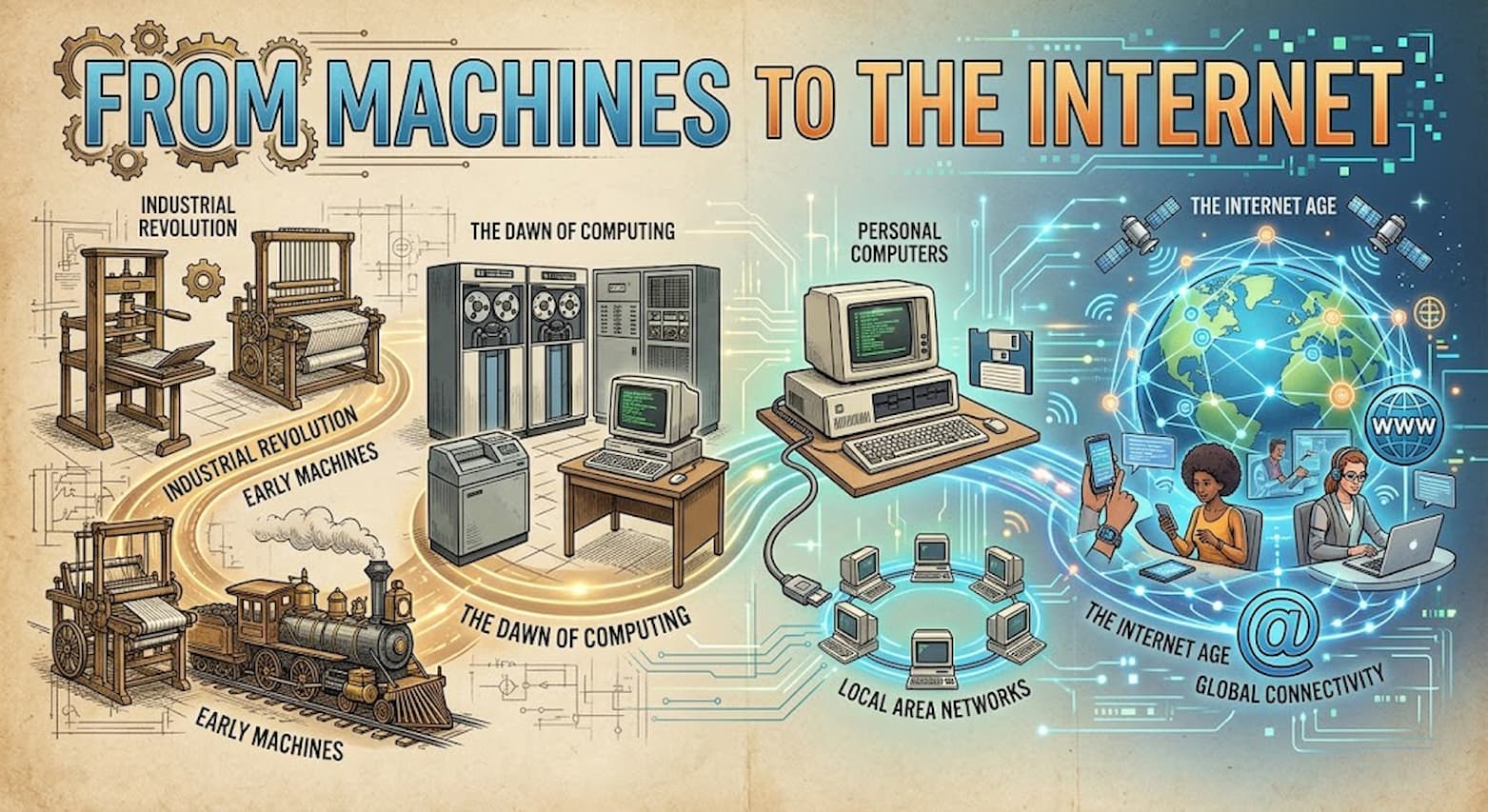
From Machines to the Internet: How Bola Tangkas and Tangkasnet Evolved
There was a time you could recognize a game just by the shape of the wood it sat inside.
The heavy cabinet. Faded side decals. Sticky plastic buttons. It wasn’t just a container; it was the entire experience. Take that exact same code, dump it onto a computer monitor, and something fundamental snaps. The software is suddenly completely divorced from the hardware that birthed it.
Bola Tangkas lived through this exact divorce.
It raises a pretty wild question. How does a game explicitly tied to one physical generation of hardware manage to outlive multiple generations of dead technology?
Tangkasnet eventually stepped in to drag that localized arcade memory onto the connected web. But the survival story starts much earlier, back when silicon chips and heavy glass tubes were the only game in town.
When the Machine Was Part of the Game
Think about what gaming actually demanded before home broadband existed.
You couldn’t just tap an app. You had to physically leave your house, walk into a room, and sit down in front of a dedicated machine.
These cabinets were heavy, single-purpose beasts. They ran massive CRT screens that practically vibrated with static electricity. The circuit boards bolted inside them did exactly one thing. If you wanted to play something else, you moved to a different chair.
Developers back then had absolutely no room to breathe.
Processors were agonizingly slow. Local memory was incredibly tiny. They had to design games that made immediate visual sense because they couldn’t rely on cinematic tutorials or massive 3D environments to explain the rules.
Playing cards translated perfectly to these primitive screens.
People already carried the visual language in their heads. A pixelated heart is still a heart. A digital king doesn’t need a backstory.
Bola Tangkas became the definitive Indonesian example of this entire electronic-card-game era. It automated familiar draw poker rules and jammed them behind a glowing glass monitor. The rhythmic slapping of those heavy arcade buttons became a shared cultural staple in local rental shops.
But pinning down a clean beginning for Bola Tangkas is more difficult than explaining the technology around it.
There is no neat corporate timeline or single visionary creator you can point a camera at. It just spread organically because the code fit the available hardware perfectly.
The PC Broke the Link Between Game and Machine
Once the personal computer actually became the main machine in people’s houses, the entire equation flipped.
A dedicated cabinet did one job. A PC did whatever you told it to. You could run a spreadsheet at noon and boot up a game at midnight.
Gaming was suddenly portable as software. It wasn’t locked to a specific heavy box in a specific room anymore.
Hard drives let people store massive libraries of local software. Optical mice and keyboards totally replaced those loud microswitch buttons. High-resolution color monitors made CRT tubes look like ancient relics.
People figured out how to run installation wizards and manage digital files.
If you trace the evolution of electronic card games
, dropping the arcade hardware completely shifted developer priorities. Software updates could actually happen through a downloaded file instead of a frustrated technician physically swapping a chip.
The whole experience shifted inward. It became a private, customizable activity.
Then the Internet Arrived
Putting a game on a PC changed the hardware. Plugging that PC into a network changed the game itself.
Before the internet, a computer only knew what lived on its local spinning hard drive. Networking shattered that isolation.
It enabled remote servers to actually do the heavy lifting. Persistent digital accounts became a real thing. If your local computer crashed mid-game, your progress didn’t just vanish into thin air. A server hundreds of miles away kept a perfect record of everything.
Developers pushed updates directly to the client. Real-time communication between players became standard.
Bola Tangkas had already proven that a familiar card-game format could survive electronically. Networked computing introduced another wild possibility—the experience no longer had to remain isolated.
Tangkasnet enters the story right around here.
It acted as a digital bridge. It took a format heavily tied to offline play and forced it into a connected environment. Players could log in, access their accounts, and play without having to track down a physical cabinet in a crowded room.
It pulled a localized arcade culture directly into the era of cybercafes.
Finding the exact launch dates for these early networked platforms is notoriously difficult. Honestly, the exact year matters way less than the massive technological shift Tangkasnet represented.
A Small Detour: The Browser
For a long time, PC gaming involved serious friction.
Download a file. Extract an archive. Run an installer. Pray your drivers didn’t crash.
Browsers eventually bypassed all of that nonsense. Instead of downloading, you just opened a URL. The browser loaded the assets, and you interacted immediately. Browsers basically became the universal application layer.
It completely lowered technical barriers. Server-side updates meant the developer patched the game once, and everyone saw the new version instantly without lifting a finger.
A Desktop Game Doesn’t Fit in Your Pocket Just Because the Screen Gets Smaller
Smartphones wrecked everything developers knew about interfaces.
Touch completely replaced the pointer. A mouse gives you pixel-perfect clicking. A thumb is just a blunt, inaccurate instrument mashing against glass.
Users could violently rotate their screens. Connections dropped constantly when people walked into elevators or rode the subway. Sessions got much shorter and wildly erratic.
So what happens when a card interface designed for a huge monitor has to squeeze onto a phone?
Everything gets chaotic. Card visibility becomes a massive problem. Button sizes have to increase dramatically so people don’t accidentally tap the wrong thing in a rush.
Spacing gets wider. Information hierarchy becomes absolutely ruthless.
If you look at how smartphones changed digital card games
, successful developers entirely abandoned their old desktop layouts. They rebuilt the tactile experience for hands instead of mice.
The Hardware Disappeared. The Game Didn’t.
Why do some games easily survive dead hardware?
Familiarity is a massive factor. People don’t have to relearn how playing cards work.
Simple underlying mechanics help tremendously. A game built around complex physical gimmicks dies with the hardware. A game built on clean math ports to anything.
Nostalgia matters too. Old digital experiences become deep cultural references.
Software portability means developers can recreate the code for completely new environments. And the internet itself serves as a massive preservation tool.
You don’t even need functioning hardware to experience old games anymore. You can just watch gaming longplays
on YouTube to hear the original sound chips and see the raw pixel art.
It perfectly explains why classic games return in digital formats
so often. The cultural memory easily outlasts the physical silicon.
What Actually Survived?
Look closely across this timeline and separate what changed from what stayed recognizable.
The machine became a PC. Buttons became touchscreens. Offline play became connected. Fixed locations became portable access.
But the recognizable cards survived. The basic visual conventions stayed intact. The familiar interaction patterns completely endured.
Bola Tangkas isn’t weird just because technology changed it. Practically every digital format gets dragged through endless technological updates.
What is actually interesting is that players still instantly recognize the experience long after the original machine has completely disappeared.
Looking at Bola Tangkas gives us a wild window into gaming history. Dedicated machines gave way to connected computers. Browsers killed installed software friction. Smartphones made the screen totally portable.
Tangkasnet belongs somewhere along that exact journey—not as the entire story, but as part of the moment a familiar electronic format crashed into networked computing.
The hardware will definitely keep changing. That’s the easy prediction. The more interesting question is which games, interfaces, and ideas will remain recognizable after the next machine vanishes.

3 Comments